Uncategorized

What Makes Embedded SIM Technology Different

Unlock Instant Connectivity Now With an eSIM Card For Travelers

Unlike traditional plastic SIMs, an eSIM is a fully embedded, reprogrammable chip soldered directly into your device’s motherboard. It stores all necessary carrier profiles digitally, allowing you to switch between mobile plans by simply downloading a new profile rather than swapping a physical card. This built-in design frees up physical space in your phone and provides instant activation of a new data plan without waiting for a physical SIM to arrive.

What Makes Embedded SIM Technology Different

Unlike a traditional SIM card, an eSIM is soldered directly onto your phone’s motherboard, making it impossible to physically remove or swap. This permanent connection frees up internal space, allowing manufacturers to pack in bigger batteries or slimmer designs. Because you activate an eSIM by scanning a QR code or using an app, you never have to fiddle with a tiny plastic chip—no more hunting for a SIM eject tool. The biggest shift is that you can store multiple carrier profiles on one chip, so switching between a personal and work number or a local plan while traveling is done through your phone’s settings, not by fumbling with a tray. It also means your device stays dustproof and waterproof without a fragile external slot. Curiously, this also means you can’t simply hand your old SIM to a friend—transfers now require a quick digital re-authorization.

Comparing Physical SIMs and Digital Profiles

Comparing physical SIMs and digital profiles highlights a fundamental shift in how mobile connectivity is accessed. A physical SIM is a tangible chip that must be inserted into a device, locking the user to that specific card and requiring manual swapping to change carriers. In contrast, an eSIM’s digital profile is a software-based identity that can be downloaded and activated remotely. This eliminates the need to handle a tiny card when switching networks or adding a second line. Users manage multiple profiles directly from device settings, enabling instant carrier changes without waiting for a physical delivery. Digital profile management offers greater flexibility than juggling physical SIM cards, as profiles can be erased and replaced on demand.

esim card

Physical SIMs rely on a removable card; digital profiles are software-based, allowing remote activation and instant carrier switching without hardware changes.

How Remote Provisioning Changes Connectivity

esim card

Remote provisioning fundamentally changes connectivity by allowing an eSIM card to activate or switch mobile network profiles without physical card insertion or removal. Through an over-the-air (OTA) command, users can download and install a new operator profile directly onto the eSIM, eliminating the need to wait for a physical SIM to arrive by mail. This process enables immediate network subscription changes. Seamless carrier switching occurs through three simple steps:

  1. Select a compatible data plan from an operator’s platform.
  2. Receive and approve a profile installation request over your current connection.
  3. Activate the new profile to begin service on the alternative network.

Consequently, connectivity becomes fluid, allowing travelers to instantly acquire local data tariffs upon arrival and enabling devices to be reprogrammed for different networks as needs evolve.

The Hardware Inside Modern Devices

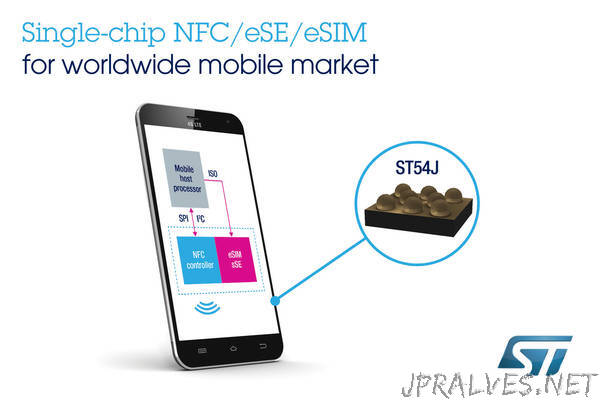
Modern devices house a soldered eSIM chip directly on the motherboard instead of a removable plastic card. This tiny, tamper-resistant integrated circuit permanently bonds to the device’s circuitry, eliminating the physical slot’s mechanical failure points. The chip itself contains a secure element that stores carrier profiles separately from the device’s main storage, enabling instant remote provisioning without swapping hardware. By integrating the SIM as a permanent component, manufacturers reclaim internal space for larger batteries or thinner chassis. This hardware design shifts the SIM from a replaceable card to a fixed, core logic element of the device.

esim card

The hardware inside modern devices replaces a removable plastic card with a permanent, soldered eSIM chip, freeing physical space and eliminating slot-related mechanical failures.

Key Advantages of Switching to a Programmable Chip

Switching to a programmable chip, your device’s embedded eSIM card, eliminates the need for a physical SIM tray, freeing up internal space for larger batteries or slimmer designs. The primary advantage is instant carrier switching: you can download a new operator profile directly, bypassing the wait for a physical SIM delivery. This remote provisioning capability allows you to manage multiple numbers from a single device without swapping cards. A key benefit is the enhanced security of a soldered chip, which cannot be physically lost or stolen like a removable SIM. You can even activate a temporary data plan before landing in a foreign country, arriving connected immediately. This shift provides unmatched convenience for frequent travelers and simplifies device setup by removing the need to handle fragile plastic cards.

Instant Network Switching Without Swapping Trays

Instant network switching without swapping trays eliminates the physical delay of ejecting and replacing a SIM card when traveling or seeking better coverage. With an eSIM, you can change carriers or plans directly through your device’s settings in seconds, keeping your primary line active while testing a secondary network. This means no hunting for a SIM eject tool, no risk of losing a tiny card, and no downtime during critical calls or data use. Whether moving between countries or optimizing for speed, the switch happens immediately—on the same device, without touching any hardware.

Space Savings That Enable Slimmer Devices

Switching to an eSIM eliminates the physical SIM tray, which frees up valuable internal real estate. This reclaimed space allows manufacturers to either slim down the device or pack in a larger battery for better endurance. Without a tray, the phone’s chassis can be more rigid and streamlined, contributing to a sleeker feel in hand. The space savings for thinner phones also give designers more flexibility for water-resistant seals and better camera modules, all without the bulk of a traditional SIM slot.

Enhanced Security Against Physical Theft

Switching to a programmable chip delivers superior protection against SIM theft because the eSIM is permanently soldered inside your device, making it impossible for a thief to physically remove. Without a removable card, criminals cannot simply extract your identity and insert it into another phone to bypass security. Even if your device is stolen, the eSIM profile remains locked Japan eSIM to your hardware, and the cellular identity cannot be transferred to a different handset. This eliminates the common tactic of swapping a victim’s SIM into a thief’s unlocked device, ensuring your mobile identity stays secure alongside your hardware. You maintain absolute control, as the profile cannot be accessed without your device’s screen lock credentials.

Smartphones Leading the Digital Shift

Smartphones are the primary catalyst for the digital shift to eSIM, transforming how you manage mobile connectivity. Instead of inserting a physical card, you scan a QR code or download a profile directly into your phone’s settings to activate a plan. This eliminates the risk of losing or damaging a tiny chip. For frequent travelers, it means instantly switching between local carriers on your smartphone without hunting for a SIM ejector tool. You can hold multiple eSIM profiles on one device, allowing you to keep your primary number active while adding a data plan. This practical shift turns your smartphone into a fully digital connectivity hub, simplifying account management and hardware logistics.

Flagship Models That First Adopted the Tech

The first wave of flagship models that first adopted the tech made switching carriers a tap-away affair. The Google Pixel 2 was an early trailblazer, letting you activate service without fumbling for a physical nano-SIM. Apple jumped in with the iPhone XS, XS Max, and XR, which let you run two lines on one device—one physical SIM, one eSIM. Samsung followed suit, embedding it in the Galaxy S20 series for seamless travel switching. These pioneers proved you could ditch the plastic tray for a digital profile, setting the stage for every major release since.

Q: Which flagship model was the first to ditch the physical SIM slot entirely?
A: The iPhone 14 lineup in the U.S. was the first flagship to go completely eSIM-only, forcing you to adopt the tech if you wanted cellular service.

Activating Multiple Plans on a Single Device

Activating multiple plans on a single device is a key advantage of eSIM technology, allowing users to switch between carriers without swapping physical cards. A single eSIM-compatible smartphone can store several profiles, enabling simultaneous use of a local data plan and a home number for calls. Users activate a secondary plan by downloading a carrier’s eSIM profile through a QR code or app, keeping the primary line active. This setup supports real-time toggling between plans for data prioritization. No physical slot changes are needed, making it ideal for frequent travelers or those separating work and personal lines.

Aspect Physical SIM eSIM Multi-Plan
Profile Switching Requires card removal Software toggle only
Plan Storage One card per slot Multiple profiles stored
Activation Method Insert card Download profile

esim card

Dual-SIM Functionality Without Extra Hardware

Dual-SIM functionality without extra hardware is achieved through an eSIM, eliminating the need for a physical second SIM tray. This allows users to activate a second cellular plan directly on the device, seamlessly switching between personal and work numbers or adding a local data plan while traveling. The phone’s modem handles both profiles virtually, ensuring simultaneous standby without additional components. Software-based dual-SIM management lets users label lines and set default numbers for calls, messages, and data. This integration reduces physical wear while preserving the ability to maintain two distinct network connections.

Can dual-SIM via eSIM work with a physical SIM at the same time? Yes, most devices support one eSIM profile and one physical SIM simultaneously, offering flexible dual-line usage without requiring extra hardware.

Travelers Getting More Flexibility Abroad

Travelers getting more flexibility abroad with an eSIM card means ditching physical SIM swaps the moment you land. Instead of hunting for local shops or paying roaming fees, you can switch between data plans from multiple providers instantly through an app. This lets you choose a cheap local eSIM for a week in Tokyo, then switch to a regional Asia plan for a last-minute trip to Seoul—all while keeping your home number active. No queuing at airport kiosks or worrying about losing your tiny SIM tray. You simply buy, scan, and activate coverage in minutes, giving you total freedom to adapt your data on the fly.

Avoiding Roaming Fees with Local Digital Plans

Avoiding exorbitant roaming fees is the biggest win when you use an eSIM with local digital plans. Instead of paying your home carrier’s daily rates, you simply purchase a cheap data package directly from a local provider in your destination. You can pick a plan that covers just a few days or a whole trip, and you’re online instantly without a physical SIM swap. Even better, you can keep your primary number for calls while using the local plan for data, completely bypassing roaming charges.

Traditional Roaming Local Digital Plan
Daily fee up to $10–$12 Costs as little as $2–$5 for 1GB
Billed by home carrier Pay once, no hidden charges
Often throttled after small cap Full speed for selected data amount

Preloading Data Packages Before Departure

Before departure, travelers can activate an eSIM and preload data packages to ensure immediate connectivity upon landing. This eliminates the need to source local SIMs or hunt for Wi-Fi at the airport. Users select a plan—region-specific or global—from their eSIM provider’s app, install the profile, and schedule the package to start at the destination time. The data is stored digitally on the device, ready for instant use post-arrival, avoiding any activation delays or currency exchange hassles at the gate.

Managing Profiles Across Different Countries

Managing profiles across different countries with an eSIM means you can juggle multiple data plans from a single phone without swapping physical cards. You’ll install separate eSIM profiles for each destination, then toggle between them in your settings as you cross borders. Some apps even let you tag profiles by trip, making it easy to remember which plan covers Japan versus France. This setup keeps your home number active for calls while a local profile handles data abroad, avoiding roaming fees entirely. Multi-profile management turns your device into a versatile travel tool, not a locked-in phone.

Managing profiles across different countries lets you switch data plans on the fly, keeping one phone set for travel without constant SIM swaps.

Business and Enterprise Implementation

For enterprise deployment, eSIM implementation eliminates physical SIM procurement and logistics, allowing global device provisioning from a central management platform. This simplifies bulk onboarding for fleets and remote workers, as profiles can be pushed over-the-air instantly. Cost control improves through policy-driven data pooling across all devices, removing individual roaming charges. Security is strengthened by remotely locking or wiping profiles on lost assets without hardware intervention. However, legacy VPN configurations on eSIM-native endpoints require careful compatibility testing with your chosen connectivity partner. Adoption also streamlines multi-carrier redundancy, ensuring network failover is handled at the profile level rather than through physical swaps.

Streamlining Fleet Device Management

For fleet operations, eSIM technology eliminates the logistical burden of physically swapping SIM cards across hundreds of vehicles. Instead, a single remote provisioning platform allows administrators to push carrier profiles to all devices simultaneously, activating or switching networks without vehicle downtime. This centralization simplifies compliance with regional connectivity requirements, as fleets can seamlessly switch to local profiles when crossing borders. The process reduces manual handling, lowers the risk of hardware damage, and ensures each vehicle maintains consistent, policy-compliant data connections. Remote fleet profile swaps thereby minimize operational friction and support continuous asset tracking.

Streamlining fleet device management means using eSIMs to centrally update, swap, and manage network connectivity for every vehicle instantly, eliminating physical SIM handling and reducing downtime.

Centralized Control for Corporate Phone Pools

Centralized control for corporate phone pools allows IT administrators to manage fleets of shared eSIM devices from a single dashboard. Instead of swapping physical SIMs between users, you remotely assign and revoke data plans to specific devices in the pool as needed. This ensures that a phone used by a field team Monday can be instantly reconfigured for a different user Tuesday, with no hardware changes. Usage policies, data caps, and network profiles are applied uniformly across the entire pool, reducing administrative overhead and eliminating rogue line activations. Real-time provisioning also prevents downtime when reassigning devices between departments or shifts.

Cost Savings on Bulk Connectivity Deployments

For enterprises managing fleets of IoT devices or global operations, bulk eSIM deployment reduces connectivity costs by eliminating physical SIM procurement, logistics, and shipping fees. Centralized management platforms allow IT teams to activate, swap, or manage thousands of profiles remotely, cutting on-site support costs. Businesses avoid per-device roaming charges by shifting to flat-rate data bundles from a single provider across multiple countries. This operational efficiency directly lowers total cost of ownership as devices ship without embedded plastic SIMs, removing hardware replacement expenses for network changes.

Q: How does bulk eSIM deployment save money on global connectivity?
A: By replacing physical SIMs with downloadable profiles, you eliminate per-device shipping costs, physical inventory overhead, and expensive roaming surcharges through pooled, multi-country data plans.

Internet of Things and Connected Devices

Internet of Things and Connected Devices thrive with eSIM cards because they eliminate physical SIM slots. For smart sensors, trackers, or wearables, an eSIM lets you remotely provision cellular profiles, so a fleet of devices connects instantly without swapping tiny chips. This means a smart thermostat can switch carriers via a software update if signal is weak, and battery-powered gadgets last longer since eSIMs draw less power during setup. You also avoid hardware failures—no slot means no dust or water damage. For home automation, an eSIM lets your security camera use a backup mobile network if Wi-Fi drops, keeping alerts seamless. It’s a practical way to keep your smart home gadgets reliably online anywhere.

Wearables Operating Independently from a Phone

An eSIM enables wearables like smartwatches to operate as truly independent cellular devices, bypassing the need for a paired smartphone. This allows the wearable to make calls, stream music, and use navigation apps directly from its own data plan. The logical flow eliminates dependence on a phone’s Bluetooth range, meaning runners or swimmers can remain connected without carrying a handset. For practical use, this independence is critical during emergencies or when a phone is inconvenient. Without a physical SIM slot, the wearable’s compact design is preserved, while the eSIM profile can be activated or switched remotely.

Smart Meters and Industrial Sensors Going Global

esim card

For smart meters and industrial sensors going global, an eSIM is a game-changer because it lets these devices connect to local networks the moment they cross a border. Instead of swapping physical SIMs in thousands of remote sensors, a single eSIM profile can be switched remotely. This is crucial for global industrial IoT deployment, ensuring energy monitors or factory vibration sensors stay online and reporting data without manual intervention.

  • eSIMs allow a smart meter in a foreign country to automatically log onto a compliant local cellular network.
  • Industrial sensors on shipping containers can switch carriers via OTA updates without physical access.
  • Multi-network eSIM profiles keep global sensor fleets operational even when one carrier loses coverage.

Automotive Telematics with Over-the-Air Updates

Automotive telematics leverages an embedded eSIM to maintain persistent cellular connectivity, enabling remote firmware upgrades for vehicle ECUs without dealer visits. This OTA capability updates navigation maps, battery management algorithms, and advanced driver-assistance systems. The eSIM’s programmable identity allows seamless carrier profile switching to optimize bandwidth for large update packages. A logical dependency exists: reliable telematics data collection—from tire pressure to motor temperature—directly informs when a over-the-air delta update should be pushed to targeted vehicle modules, ensuring minimal data consumption and zero operational downtime.

Potential Drawbacks and Challenges

One of the primary drawbacks of an eSIM card is the

complexity of transferring your profile between devices, which often requires a QR code or carrier app and cannot be physically swapped like a traditional SIM.

This creates a significant challenge if your phone is lost, damaged, or if you need to temporarily use a different device, as you may be without service until you can re-download the profile. Furthermore, activating a new plan on a trip can fail if internet access is unavailable, leaving you stranded. Finally, managing multiple eSIMs on a single device can lead to confusion over which line is active for data, calls, and texts, increasing the risk of accidental roaming charges or missed communications.

Carrier Lock-In and Switching Barriers

eSIM technology can paradoxically entrench carrier lock-in and switching barriers. While eliminating physical SIM swapping, providers often impose proprietary profiles or requiring manual reconfiguration, making transfers more complex than a simple card swap. Unlocking an eSIM from a carrier may demand lengthy verification procedures or account restrictions, directly impeding quick provider changes. Users cannot simply hand a physical chip to a new carrier; they must navigate digital deactivation and reprovisioning, which can fail if the old carrier delays release. This friction undermines the expected flexibility, locking users into existing contracts or forcing tedious workflows to escape them.

  • Proprietary eSIM profile formats may block compatibility across different carriers’ systems.
  • Carriers can require account-specific passcodes or in-person authentication to release an eSIM.
  • Remote deactivation requests may be intentionally delayed, preventing immediate switching.
  • Lost or erased eSIMs often force users to rely on the original carrier, not a competitor, for re-provisioning.

Limited Support on Older Hardware

A significant practical hurdle with eSIM is limited support on older hardware. Many smartphones, tablets, and wearables released before 2018 lack the necessary embedded chip. Even newer budget or mid-range models often exclude the component to cut costs. If you own an older device, you physically cannot use an eSIM, forcing you to continue with a physical SIM or upgrade your hardware entirely. This creates a barrier for users who prefer their current phone. Q: Can I add eSIM to my older phone through a software update? A: No. eSIM requires dedicated hardware; a software update cannot add the required physical chip. You need a compatible device.

Compatibility Issues with Some Networks

A primary drawback is that carrier-specific eSIM provisioning often fails when the user’s device does not match the network’s approved IMEI database. Even if the phone is unlocked and technically eSIM-capable, some operators restrict activation to devices purchased directly from them, rejecting third-party or foreign-registered hardware. Legacy networks may also lack QR code generation for eSIM profiles, forcing reliance on physical SIMs. Roaming compatibility suffers similarly, as a local profile might not negotiate correctly with a home network’s backend, resulting in no service despite a working eSIM slot.

How to Activate a Digital Profile Step by Step

To activate an eSIM, first ensure your device is unlocked and connected to Wi-Fi. Access your phone’s settings and navigate to “Cellular” or “Mobile Data,” then select “Add eSIM.” Scan the QR code provided by your carrier, or enter the activation details manually. You will be prompted to label the line (e.g., “Travel” or “Primary”). Follow the on-screen instructions to confirm and download the eSIM profile. Activation completes within minutes, but a device restart is often required for the digital profile to fully sync with the network. Once rebooted, your eSIM is ready for calls, texts, and data.

Scanning a QR Code from Your Provider

After purchasing your eSIM plan, locate the QR code for eSIM activation provided in your confirmation email or provider dashboard. On your device, navigate to Settings > Cellular (or Mobile Data) > Add Cellular Plan. Point your camera at the QR code when prompted; the device automatically decodes the activation details. Confirm the prompt to install the profile. Ensure a stable Wi-Fi connection during this process, as the QR code triggers a one-time download of the eSIM configuration. Avoid sharing the code, as it is uniquely tied to your account and number.

esim card

Scanning the provider’s QR code instantly loads the digital profile onto your device, requiring only a stable connection and confirmation to complete activation.

Installing Profiles Through a Mobile App

To activate your eSIM, installing profiles through a mobile app is often the quickest method. After purchasing a plan, you just download your carrier’s app, log in, and tap “Add eSIM.” The app will automatically send the profile to your device—no scanning a QR code needed. Follow the on-screen prompts to confirm the installation, then label the line (like “Travel” or “Work”). Within a minute, the eSIM connects to the network.

  • Download your carrier’s official app from the App Store or Play Store.
  • Log into your account and select “Install eSIM” from the menu.
  • Approve the profile download when your phone prompts you to allow it.

Managing and Deleting Unused Line Entries

Once your digital profile is active, you’ll want to keep it tidy. Managing unused line entries prevents clutter and confusion when switching between plans. On your device, open the eSIM settings and look for any inactive or duplicated lines. Tap to select an unused entry, then choose the option to remove it. This frees up storage for future profiles and avoids accidental data usage.

  • Back up QR codes or activation codes before deleting a line.
  • Label each active line with a clear name, like “Work Data.”
  • Delete only after confirming the line is no longer in use.
  • Restart your device after removal to refresh network settings.

Future Trends Beyond Traditional Telecom

eSIMs will unlock decentralized connectivity beyond traditional carriers by letting your device dynamically switch between satellite, mesh, and local private 5G networks without human intervention. A future phone could automatically authenticate to a multi-network overlay that aggregates bandwidth from nearby smart devices, eliminating reliance on a single infrastructure provider. This enables seamless roaming across autonomous vehicle hotspots or community-owned tower pools, where your eSIM profile negotiates and pays for slices of available spectrum in real-time via smart contracts. For practitioners, this means designing apps that treat connectivity as a flexible, on-demand resource rather than a fixed subscription. The eSIM becomes a universal credential for accessing any available signal, even from temporary hyperlocal networks like drone relays during events or emergencies.

Integration with Blockchain for Identity Verification

Your eSIM becomes a self-sovereign identity anchor when paired with blockchain. Instead of relying on a carrier’s database, your cryptographic identity is verified directly on a distributed ledger, stripping away the risk of centralized data breaches. This allows for instant, zero-knowledge proof that you are who you claim to be when activating a new eSIM profile or connecting to a secure network. Decentralized identity verification lets you manage permissions, sharing only the minimal data required for service access without exposing your entire personal history.

Integration with blockchain for identity verification shifts control from telecom silos to your eSIM, enabling cryptographic proof of identity without compromising private data.

Satellite-Based Connectivity Merging with Local Plans

An eSIM profile can now bridge standard terrestrial networks with satellite coverage, merging directly into a single local data plan. When traveling in remote zones, your device automatically hands off from a local tower to a satellite beam without switching SIMs or purchasing a separate satellite subscription. This integration means your existing local plan’s data allowance applies seamlessly to satellite hops, eliminating surprise roaming fees. The fusion of local and orbital infrastructure creates a continuous, uninterrupted connection layer. Seamless satellite-local handoff ensures connectivity in dead zones while adhering to your home plan’s pricing structure.

Satellite-based connectivity merges with local plans via a single eSIM, handing off between terrestrial and orbital networks without separate subscriptions or fees.

Regulatory Changes Paving the Way for Full Adoption

Regulatory changes are eliminating provider lock-in by mandating seamless, carrier-independent eSIM profile transfers. Updated frameworks in multiple jurisdictions now require that consumers can re-assign an eSIM to a new device without excessive technical hurdles or fees. This shifts control from network operators to the end-user. Regulatory mandates for universal eSIM portability are a critical enabler. Such rules also compel manufacturers to support standardized remote provisioning interfaces across all device tiers. For the user, this means a truly competitive multi-carrier environment without needing a physical SIM swap or navigating proprietary systems.

What Exactly Is an Embedded SIM and How Is It Different?

The Physical Difference Between a Traditional SIM and a Digital Profile

Which Devices Support This Embedded Technology Right Now

How to Activate a Digital SIM Profile on Your Smartphone

Scanning a QR Code or Using a Carrier App to Get Started

Managing Multiple Plans on a Single Device Without Swapping Chips

Key Benefits of Switching to a Programmable SIM

Instant Connectivity When Traveling Without Hunting for Local Cards

Freeing Up the Physical Tray for a Second Line or Extra Storage

How to Choose the Best Digital SIM Plan for Your Needs

Understanding Data-Only vs. Full Voice-and-Text Plans

Comparing Prepaid Options and Flexible Commitment Periods

Common Troubleshooting Tips for Your Embedded Profile

What to Do When the Network Isn’t Showing After Activation

How to Transfer Your Digital Line to a New Phone Quickly

Frequently Asked Questions About Using a Virtual SIM Day-to-Day

Can You Keep Your Original Number While Using a Digital Line?

What Happens to Your Data When You Delete a Profile?